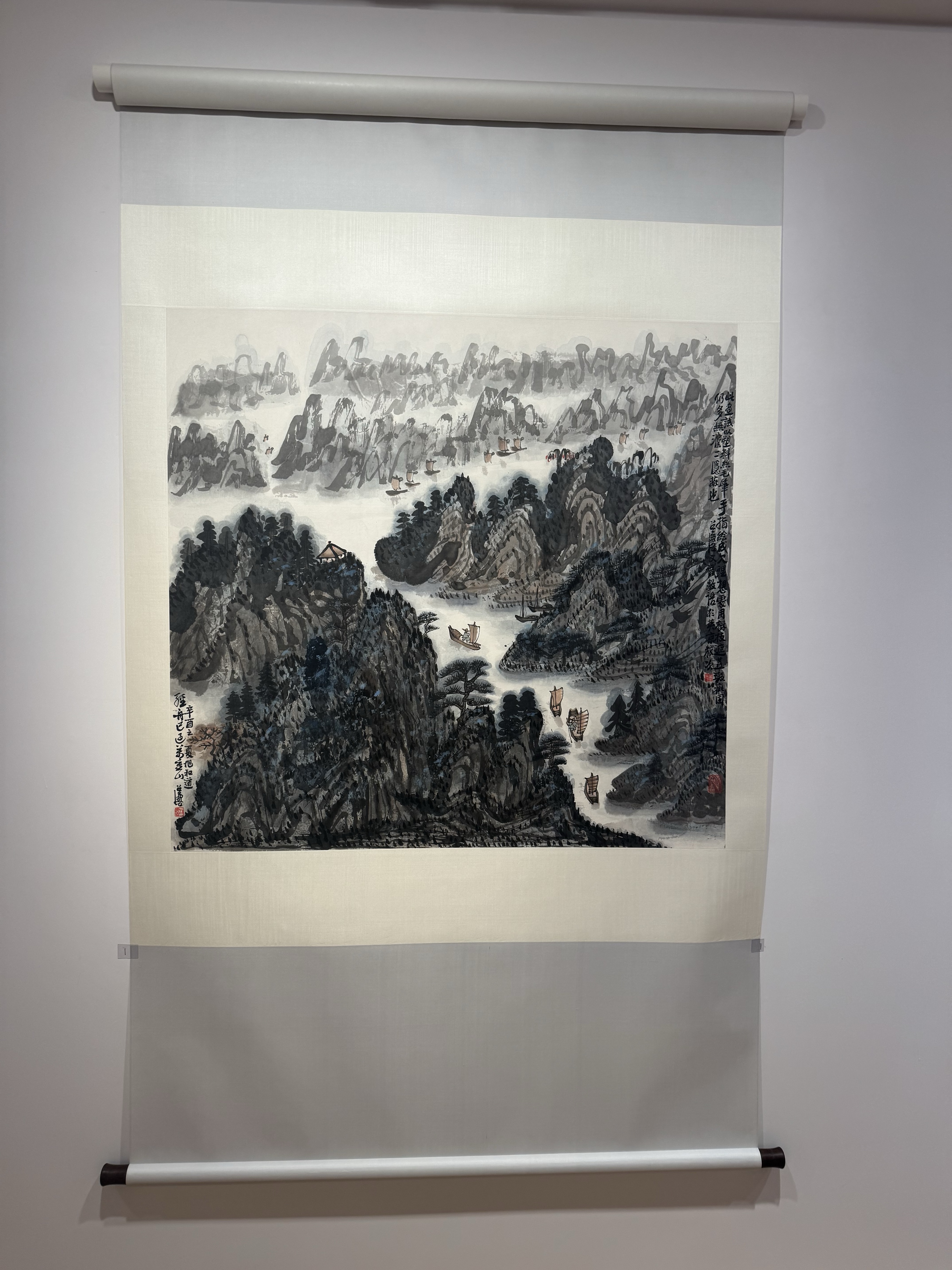
Museum labels are consistent all over the US and generally all over the world.
Artist name
First they communicate who made the work, or indicate if the artist or maker is unknown.
Biological information
Next the label lists when and where the artist was born and if they are still alive or when and where they died.
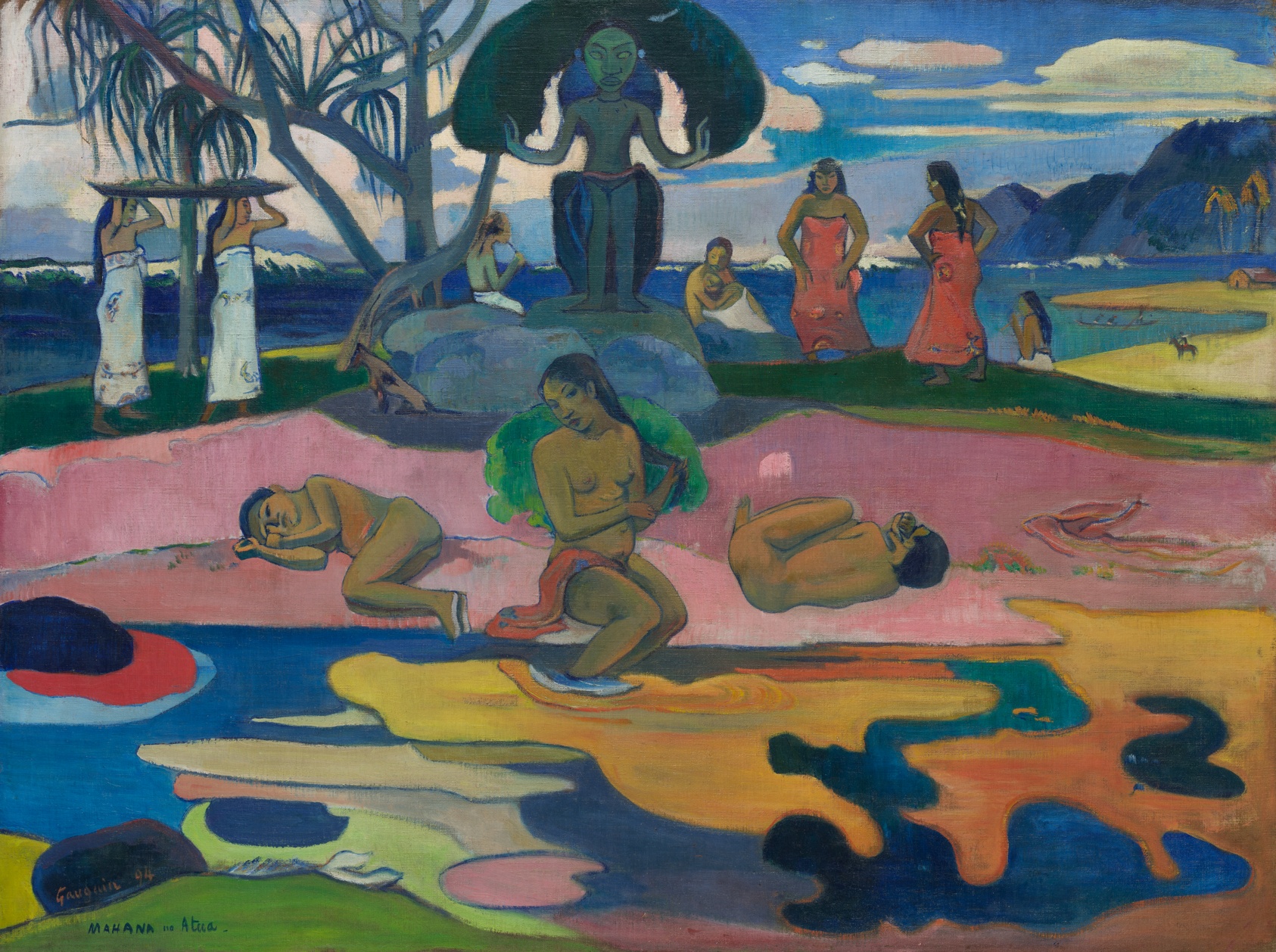
Title
Next the label states the title of the work given by the artist or may indicate that the work is “untitled.”
Date
The label indicates when the work was made and sometimes includes a range if either the work was made over multiple years or may include a c. which stands for circa if only a general idea of when the work was made is known or if the date of making cannot be confirmed
Medium
Next the materials and surface are listed. This is a particularly interesting and fun part of the label because sometimes, particularly contemporary artists, include things you can’t see and here is where they let you in on their process.
Credit line
This tells you how the work ended up in the collection, whether it was a gift or a purchase, and where the funds, if any were used, came from.
Accession number
This is also a very interesting part of the label as it lets you know when the work entered the collection. The first number is the year of acquisition. Then separated by a . is the number in order that the work was acquired in that year. If there is another . followed by a number then you know the work is part of a series and where it sits in that series.
Bonus: I am always particularly interested in how soon a work was acquired after it was made and or how recently it was acquired as both facts give you insight into the curatorial prescience of the institution.
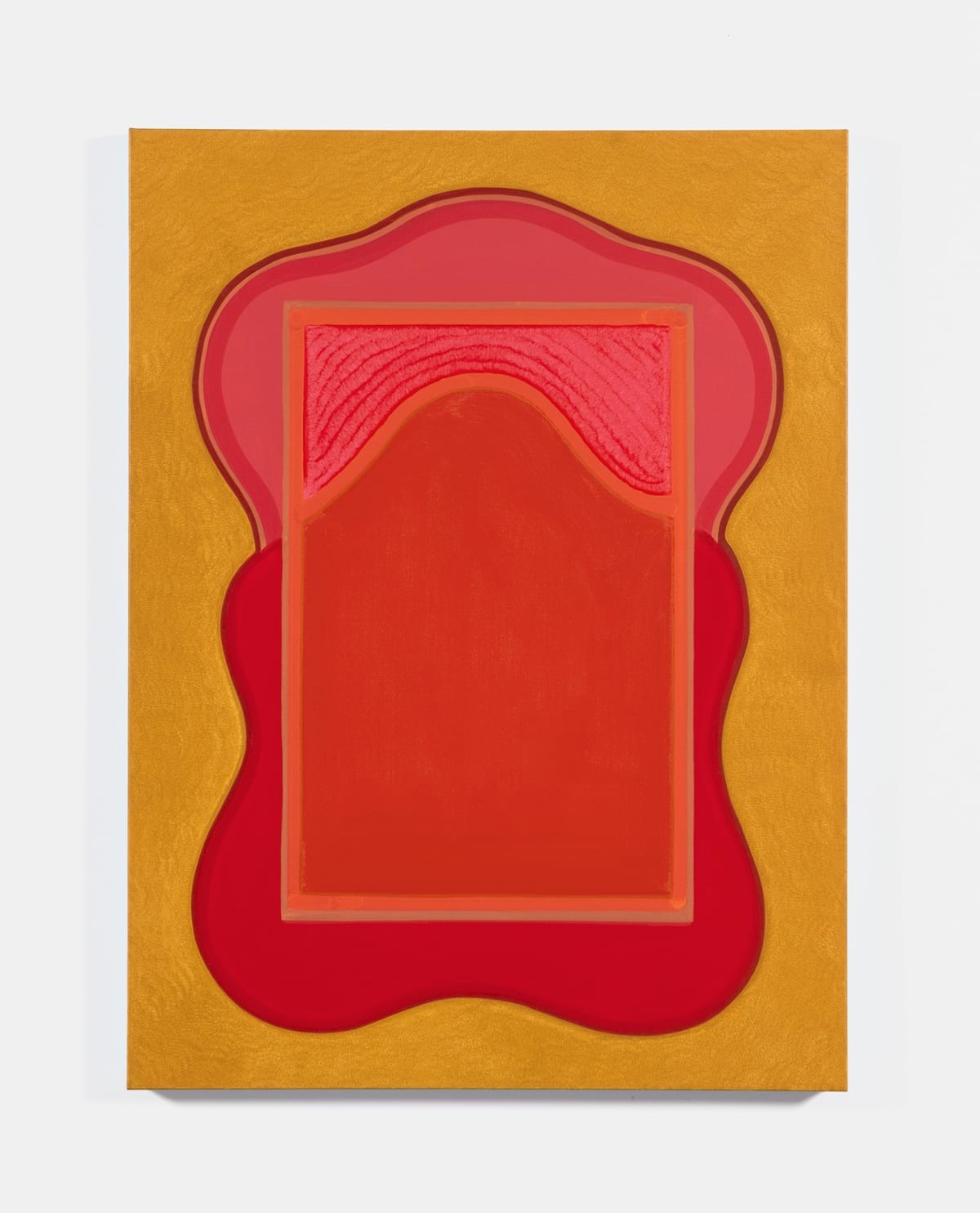
.JPG)