I’ve known Doug Aitken for almost my entire professional life.
He was one of the first artists I met after moving to New York following college, and over the last three decades our paths have crossed in ways that have profoundly shaped my life. My very first exhibition, in Paris in 1994, included Doug’s work. Later we worked together at the Berkeley Art Museum and again at the Aspen Art Museum. I’ve acquired his work for museum collections, published his work, interviewed him, and, uniquely, he once interviewed me—our conversation becoming the only instance in which Conversations with Artists contains the artist interviewing the interviewer.
Over the years, Doug has become one of my closest collaborators and, perhaps, the artist from whom I have learned the most.
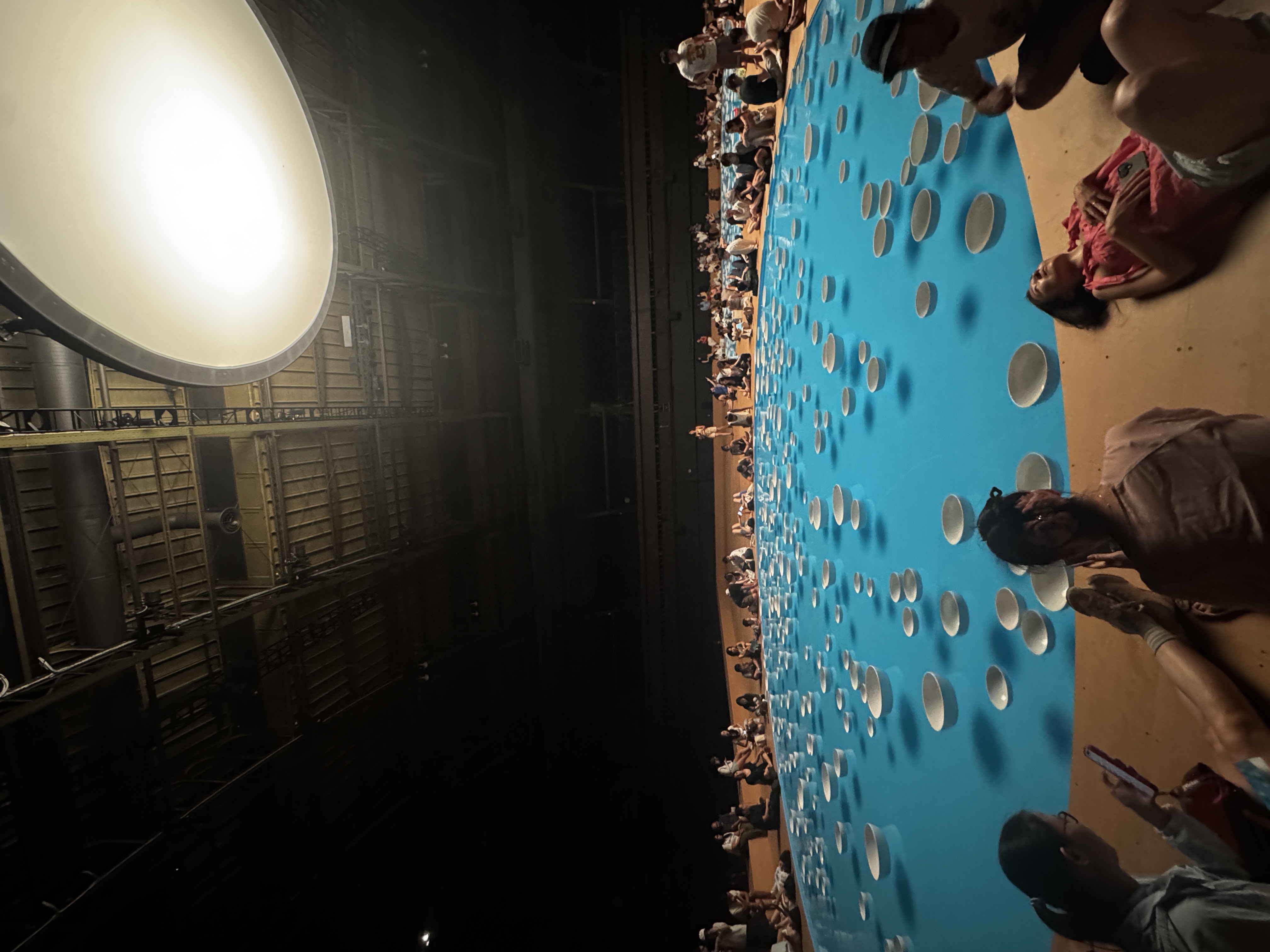
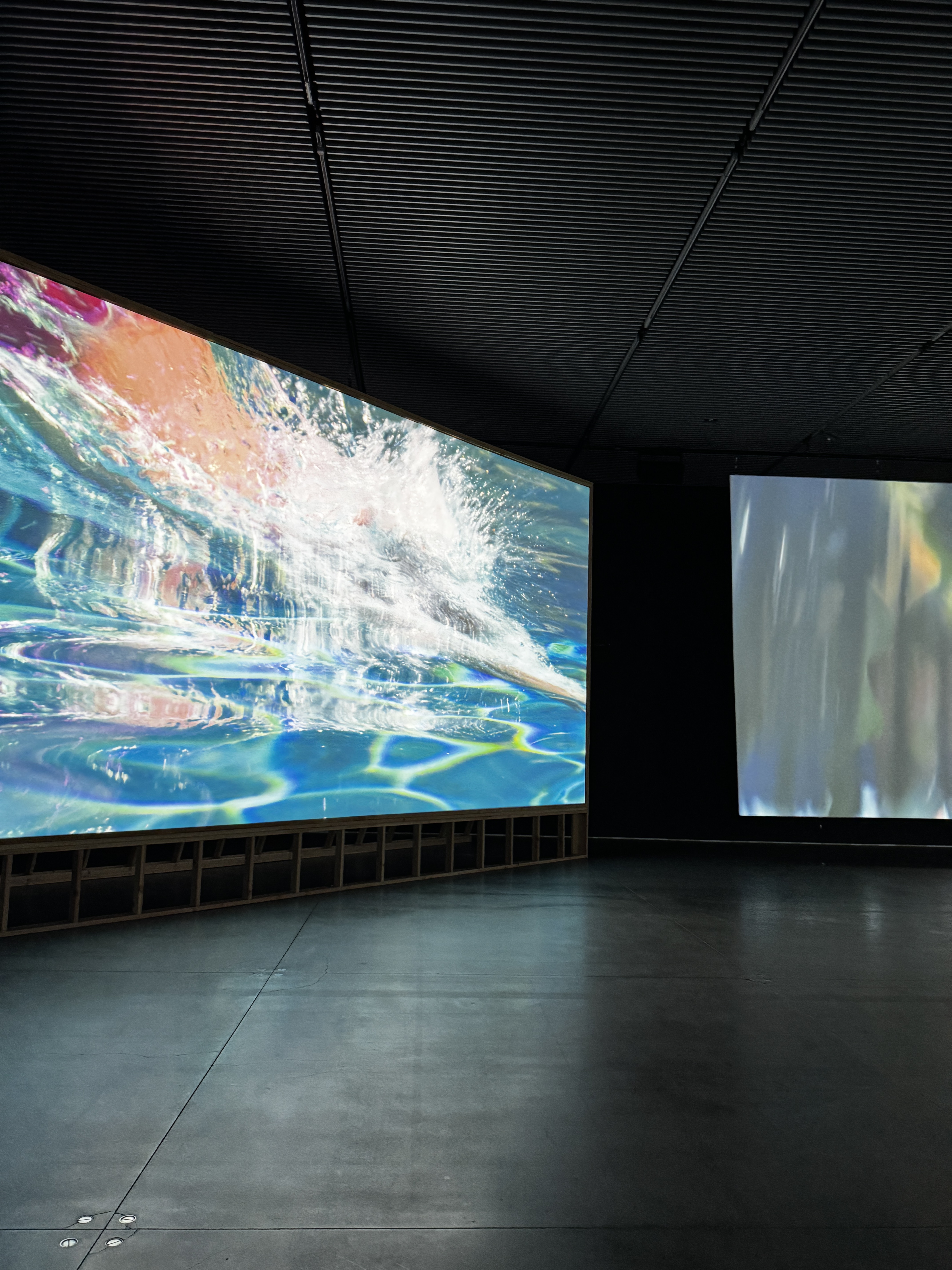
His current project, Lightscape, at The Shed in New York, is immersive in the way only Doug’s work can be. It surrounds you with moving image, architecture, music, and time. The accompanying record—created with composer Austin Meredith and the Los Angeles Master Chorale—has become something I’ve listened to repeatedly. One track in particular, “You Know More,” has stayed with me long after the music ends.
Its title feels less like a statement than an invitation. You know more. Not because someone has explained something to you. Because you’ve spent time with it. That has always been Doug’s gift. His work doesn’t tell you what to think. It trusts that meaning will emerge if you’re willing to remain present.
But the greatest lesson Doug ever taught me happened long before this exhibition. It happened during one of our very first conversations. I had finally gathered enough courage to propose an exhibition to him. It was the first exhibition idea I had ever developed. I was nervous, excited, and immensely proud of myself for having come up with it. Doug listened carefully, exactly as he always does. He nodded. There was no rush. No interruption. Then he looked at me and asked, “What else have you got?” I was speechless. What else? I didn’t have anything else.
I had spent weeks, maybe months, trying to come up with one idea. It had never occurred to me that I should have a second. Or a third.
That moment changed me. Not because Doug rejected my idea. He didn’t. He expanded my understanding of what a creative life requires. Ideas are not precious because they’re rare. They’re valuable because they’re part of an ongoing practice.
The work is not to have one good idea. The work is to keep having ideas. To stay curious. To remain in motion. To trust that another idea will come.
I’ve thought about that conversation hundreds of times over the years. It changed how I organized exhibitions. How I led museums. How I interviewed artists. How I wrote books. And perhaps most importantly, it changed how I think about creativity itself. Creativity isn’t a lightning strike. It’s a relationship. One that asks us, over and over again, “What else have you got?”