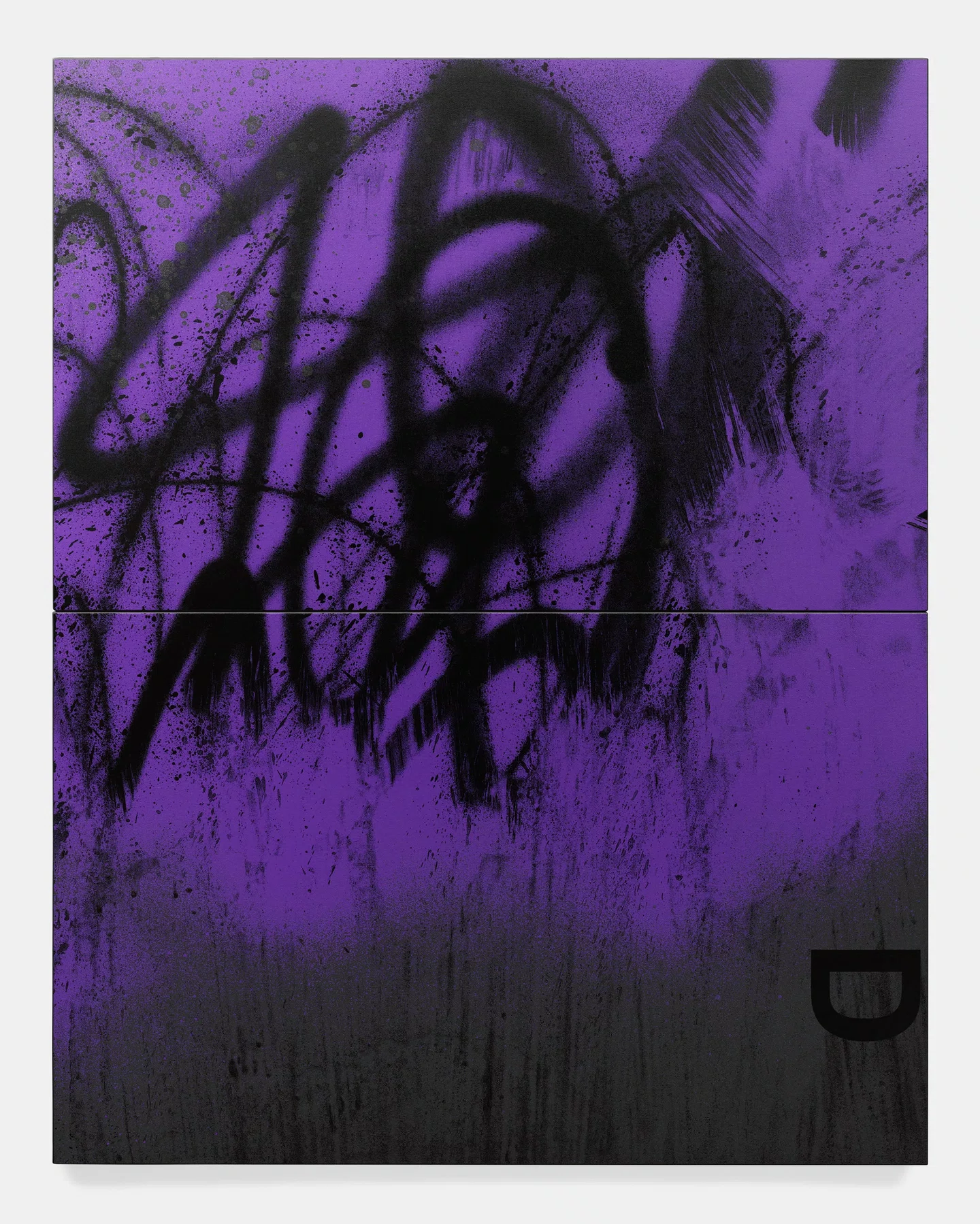
Who demonstrates qualities I admire? What are those qualities? I am inspired by the teachings of the former monk Cory Muscara. They are plain-spoken and wise. Today, he re-offered the idea of taking note of a time when you might not feel quite right: instead of simply assuming you are “off,” ask yourself if you are hungry, angry, lonely, or tired. He suggested that the issue might, in fact, be that we “need a hug and haven’t peed in nine hours.” His strategy works wonders because it’s about increased self-awareness. Oftentimes, when we need to look after ourselves, we instead project outward—not always positively— onto others and our circumstances. When my kids were very young and got upset, I would try to help them find words to express how they were feeling—for example, were they mad or sad? So many contradictory emotions can become indecipherable in the confusion that precedes isolating and identifying the issue.Adam Pendleton pays attention to language and the context in which words and phrases are used. He urges specificity and for the time it takes to truly understand things in relation to ourselves. We are prone to reactionary judgment, false equivocations, and the notion that the world is aligned against us. It’s in the “re-reading” of our situations that a truth more true gets revealed. A positivity bias requires concentrated practice through repetition.


.jpg)