
I haven’t been to Istanbul in quite a while, but someone recently asked me for recommendations, and I went back through the places I visited on my last trip. Istanbul is one of those extraordinary cities where centuries of architecture, art, commerce, and daily life coexist. I’ve updated my original itinerary to reflect which places are still open and where I would go today.
Where to Stay: Pera Palace Hotel
Meşrutiyet Caddesi No. 52, Tepebaşı, Beyoğlu, Istanbul
The historic Pera Palace Hotel opened in 1892 to accommodate passengers traveling on the Orient Express. Its architecture and interiors make staying there part of the experience of the city. It remains a wonderful choice, especially if you appreciate historic hotels with a strong sense of place.
Istanbul Modern
Kılıç Ali Paşa Mahallesi, Tophane İskele Caddesi No. 1/1, Beyoğlu, Istanbul
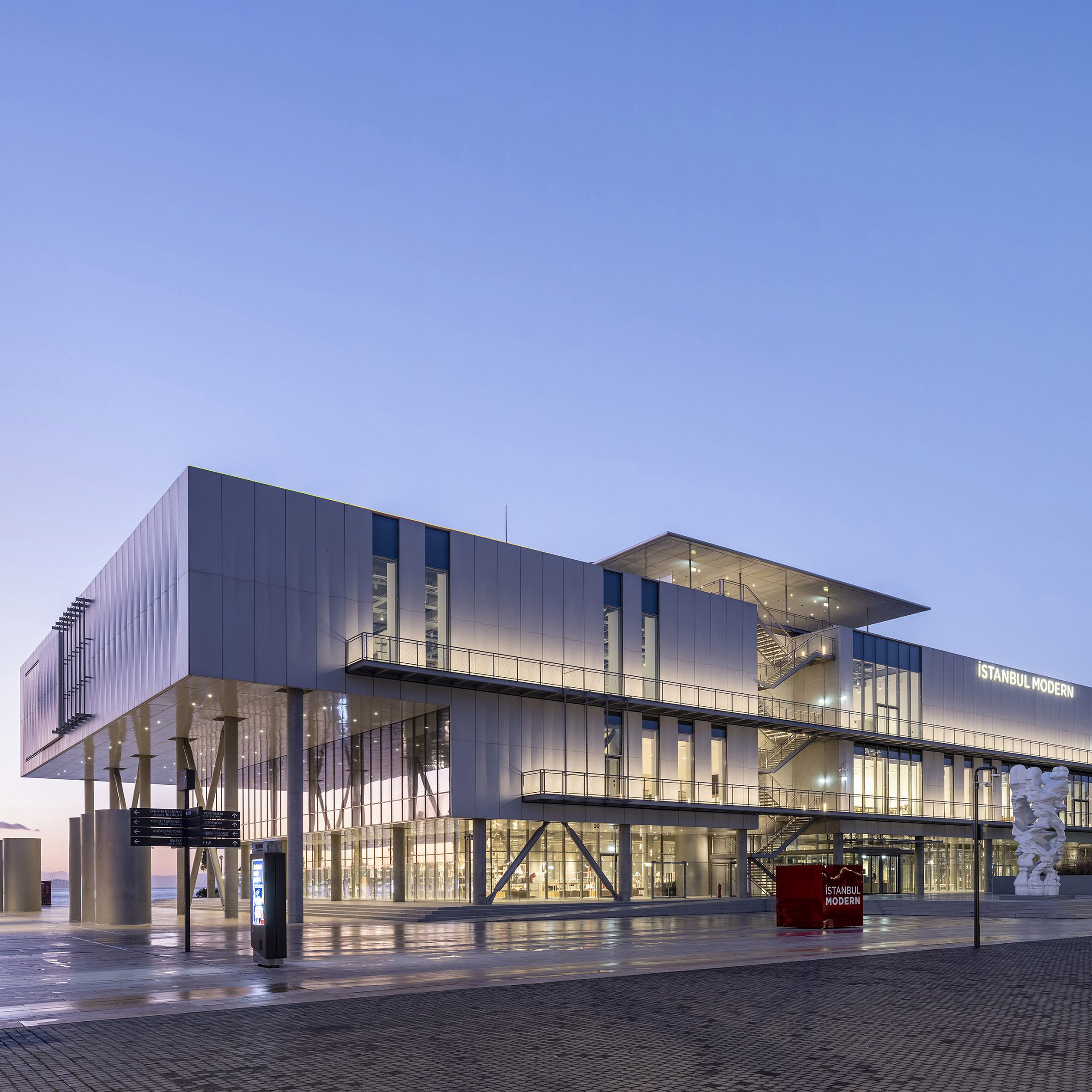
Istanbul Modern has moved into a beautiful new waterfront building designed by Renzo Piano. It is an essential stop for anyone interested in modern and contemporary Turkish art, and the building itself is worth experiencing. Allow time to enjoy the views across the Bosphorus and explore the surrounding Karaköy neighborhood.
DEPO Istanbul
Lüleci Hendek Caddesi No. 12, Tophane, Beyoğlu, Istanbul
On my earlier visit, I went to Rodeo Gallery, which is no longer operating at its former Istanbul location. I would now recommend DEPO, an independent contemporary art space housed in a former tobacco warehouse. Its exhibitions frequently engage with social history, identity, politics, and contemporary culture. Check the current exhibition program before visiting.
Rüstem Pasha Mosque
Hasırcılar Caddesi No. 62, Rüstempaşa, Fatih, Istanbul
Designed by the great Ottoman architect Mimar Sinan, this sixteenth-century mosque is celebrated for its extraordinary İznik tiles. It is smaller and more intimate than Istanbul’s monumental mosques, and I would make a point of seeking it out. Look closely at the patterns, colors, and extraordinary craftsmanship covering the interior.
Hagia Sophia
Sultanahmet Square, Fatih, Istanbul
One of the world’s great architectural achievements, Hagia Sophia has served as a Byzantine cathedral, an Ottoman mosque, a museum, and now a mosque again. Its enormous dome, mosaics, and layers of history make it essential to any visit to Istanbul. Visitor access is managed separately from worship, so check the current arrangements before going.
The Blue Mosque
Sultanahmet, Atmeydanı Caddesi No. 7, Fatih, Istanbul
Officially the Sultan Ahmed Mosque, the Blue Mosque is famous for its six minarets and magnificent blue İznik tilework. I would visit both Hagia Sophia and the Blue Mosque to experience two extraordinary architectural traditions in conversation with one another across Sultanahmet Square. Remember that both are active places of worship, and visits are restricted during prayers.
The Grand Bazaar
Beyazıt, Kalpakçılar Caddesi, Fatih, Istanbul
I love markets, and the Grand Bazaar is an experience of color, pattern, craftsmanship, and commerce on an extraordinary scale. Wander through its covered streets, look at carpets, ceramics, textiles, jewelry, and antiques, and allow yourself to get a little lost.The bazaar is generally closed on Sundays, so plan accordingly.
A Turkish Bath: Kılıç Ali Paşa Hamamı
Kemankeş Mahallesi, Hamam Sokak No. 1, Tophane, Beyoğlu, Istanbul
I highly recommend going to a traditional Turkish bath and getting a scrub. It is one of the experiences I would encourage everyone to have in Istanbul. Kılıç Ali Paşa Hamamı is a beautifully restored sixteenth-century bathhouse, also designed by Mimar Sinan. The experience of the heated marble, water, steam, and traditional exfoliating scrub is both deeply relaxing and an encounter with a centuries-old cultural ritual. Make a reservation in advance, and check the separate visiting hours for women and men.
Istanbul rewards curiosity. Visit the great monuments, spend time with contemporary art, explore the markets, and leave room for experiences you couldn’t have planned. The combination of beauty, history, and everyday life is what makes the city so remarkable.


